
Be Uncomfortable

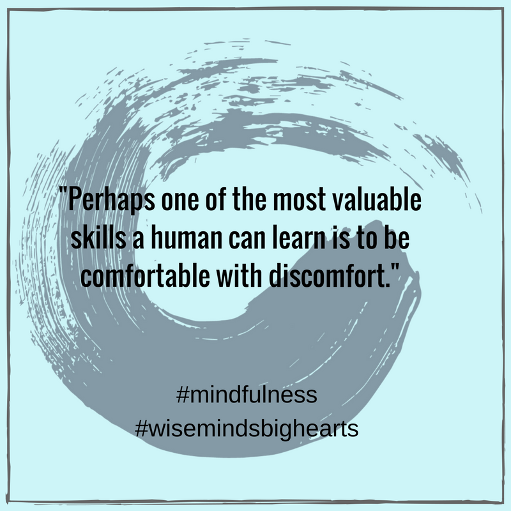
I saw this post by Paul Carvalho on LinkedIn that I’m including inline in its entirety—
"The most uncomfortable people in the room control the room."
I just heard a speaker (and author) say this in a workshop. While it was said in a specific context, I recall several times when I was invited to be a team coach that I was later challenged on my approach to coaching that made people uncomfortable.
My reply at the time was something along the lines of "yes, and?" The process of learning any new skill requires that you take yourself off autopilot and become uncomfortable with your performance as you practice and learn new skills. The process will make you feel awkward, uncomfortable, unsure of yourself, and so on. This raises even more emotions, including fear, and I believe that was the part that the managers at the time were afraid of: that my coaching made people afraid.
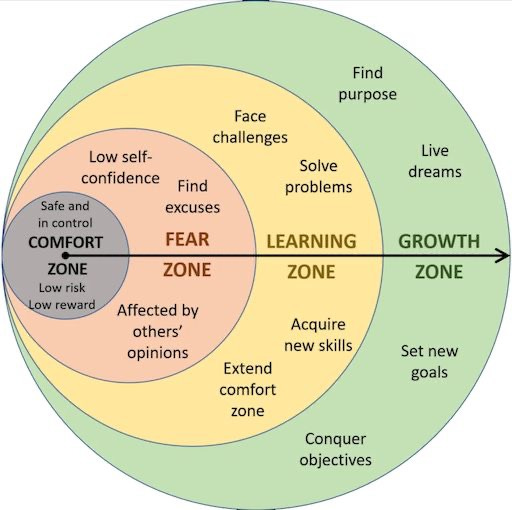
Out of context, I might agree that that sounds like a bad thing. In the right context - one of a close support group or community, fast feedback, expert guidance, compassion, learning environment, psychological safety (or as much as possible), and so on - the presence and admission of fear is one that tells me we are making some progress. (See the chart below for reference.)
The question is then: as a manager or leader, what is your relationship with fear, discomfort and emotions - particularly those expressed by your employees?
When you hire a coach, for yourself or others that you are responsible for, you are inviting and accepting (at least) two important premises:1. I agree that something needs to change, and it needs to happen now. (Do you know your driver for this sense of urgency or immediacy? What values do these changes align with?)
2. I understand that the process of navigating change will involve moving through discomfort and expressing emotions that require support and safety. (What is your level of emotional intelligence, and what culture do you support or tolerate for people who gossip their transitional negative concerns?)
If we do not agree on these two premises, what do you expect will happen? What changes in leadership do you need to make to support people through periods of change? What changes or support do you need for yourself?
Wrapping Up
Without my adding any additional context, how do you feel about this notion?
Does it make you comfortable or uncomfortable? How and why?
Stay agile, my friends,
Bob.